A solar on-grid power plant generates electricity using solar panels and is connected directly to the utility grid. The power produced is first used for local consumption, and any excess energy is exported to the grid through net metering. During low solar generation, electricity is drawn from the grid. On-grid systems do not require batteries, making them cost-effective, low-maintenance, and ideal for homes, institutions, and commercial buildings
Hybrid Power Plant
A hybrid power plant combines solar power with battery energy storage and grid connectivity. It supplies electricity from solar panels during the day, stores excess energy in batteries for later use, and draws power from the grid when required. This system ensures uninterrupted power, improves energy reliability, and optimizes electricity costs, making it suitable for homes, institutions, and commercial applications.
Off-Grid Power Plant
An off-grid power plant operates independently of the utility grid and uses solar panels with battery storage to supply electricity. Energy generated during the day is stored in batteries and used during nighttime or low-sun periods. This system is ideal for remote locations and areas with unreliable grid access, providing complete energy independence and reliable power supply.
Industrial BESS
Industrial BESS (Battery Energy Storage System)
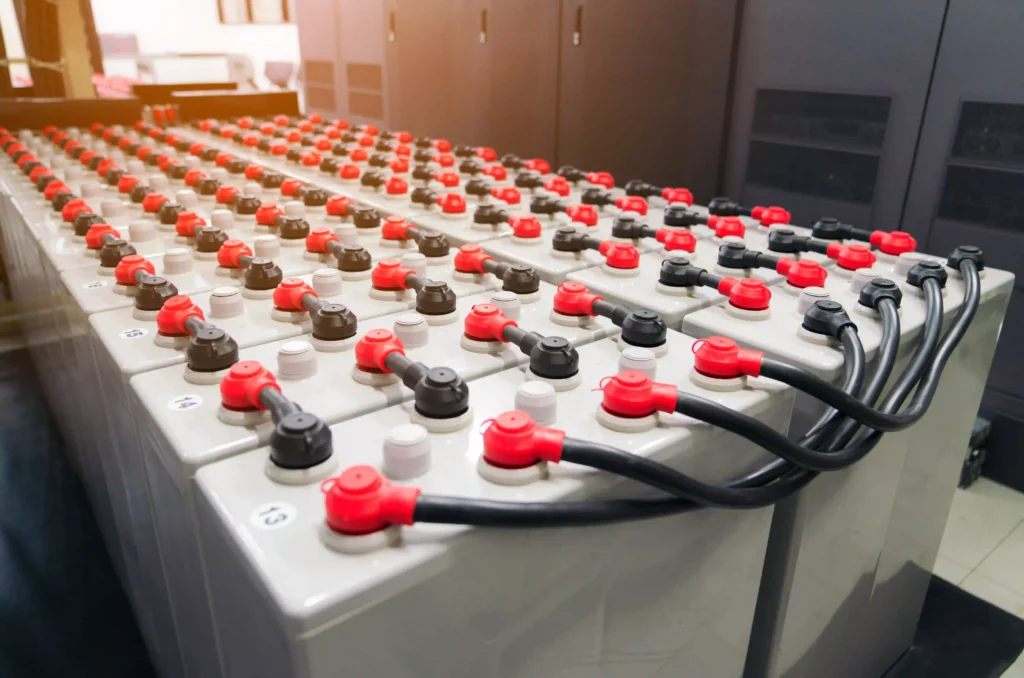
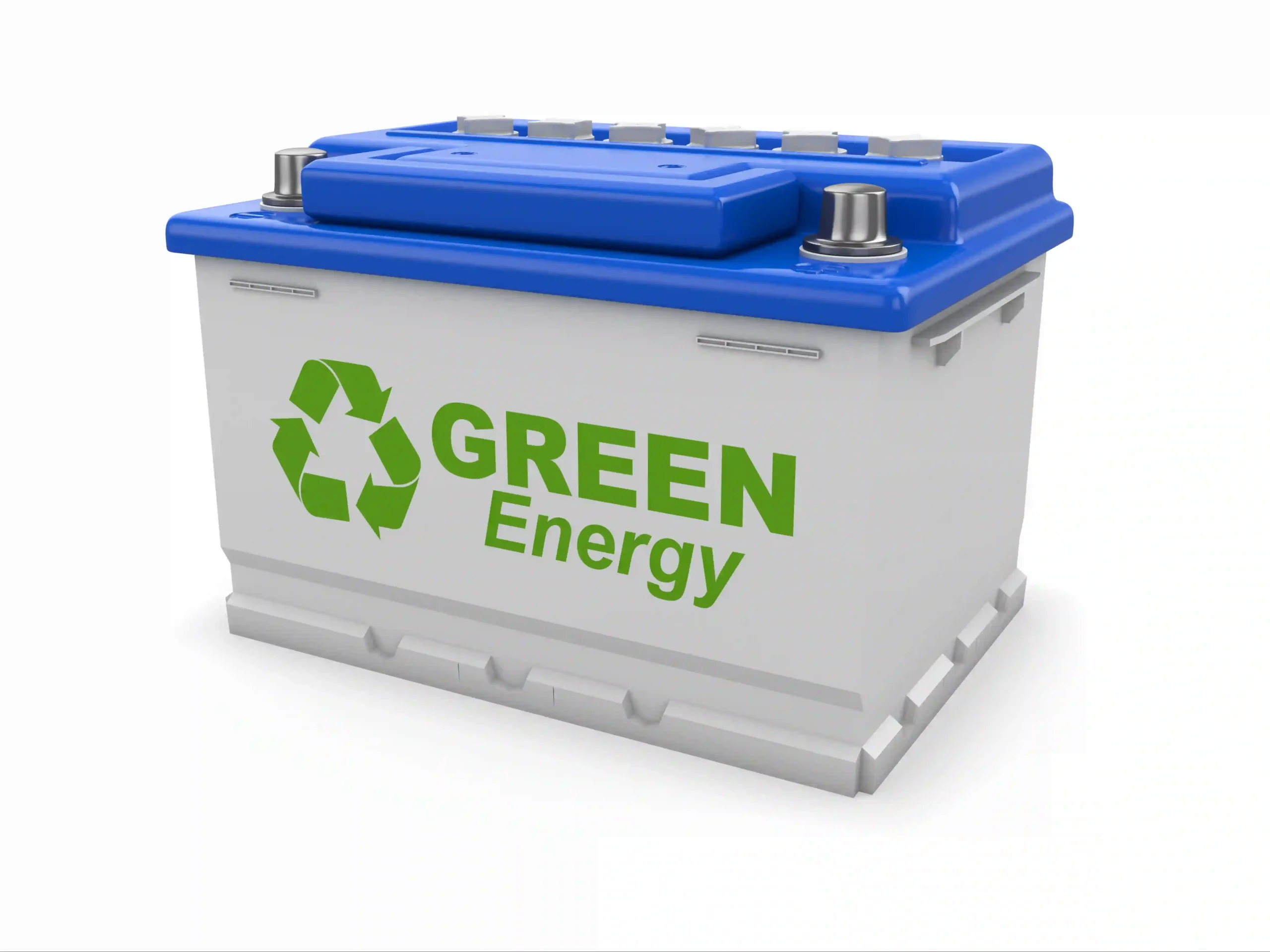
An industrial Battery Energy Storage System stores electrical energy in large-scale batteries for use during peak demand, power outages, or low grid availability. It helps industries reduce electricity costs through peak shaving, ensures uninterrupted operations, and improves power quality. Industrial BESS enhances energy efficiency and supports the integration of renewable energy sources.
Advantages of BESS
Stores excess energy for use during peak demand or power outages
Improves grid stability and power quality
Enables better use of renewable energy like solar and wind
Reduces electricity costs through peak shaving and load shifting
Provides backup power and increases energy reliability
Industries & Commercial users – reduced energy cost and backup power
Renewable energy owners – better utilization of solar/wind power
Residential users – power backup and lower electricity bills
EV chargers
EV chargers
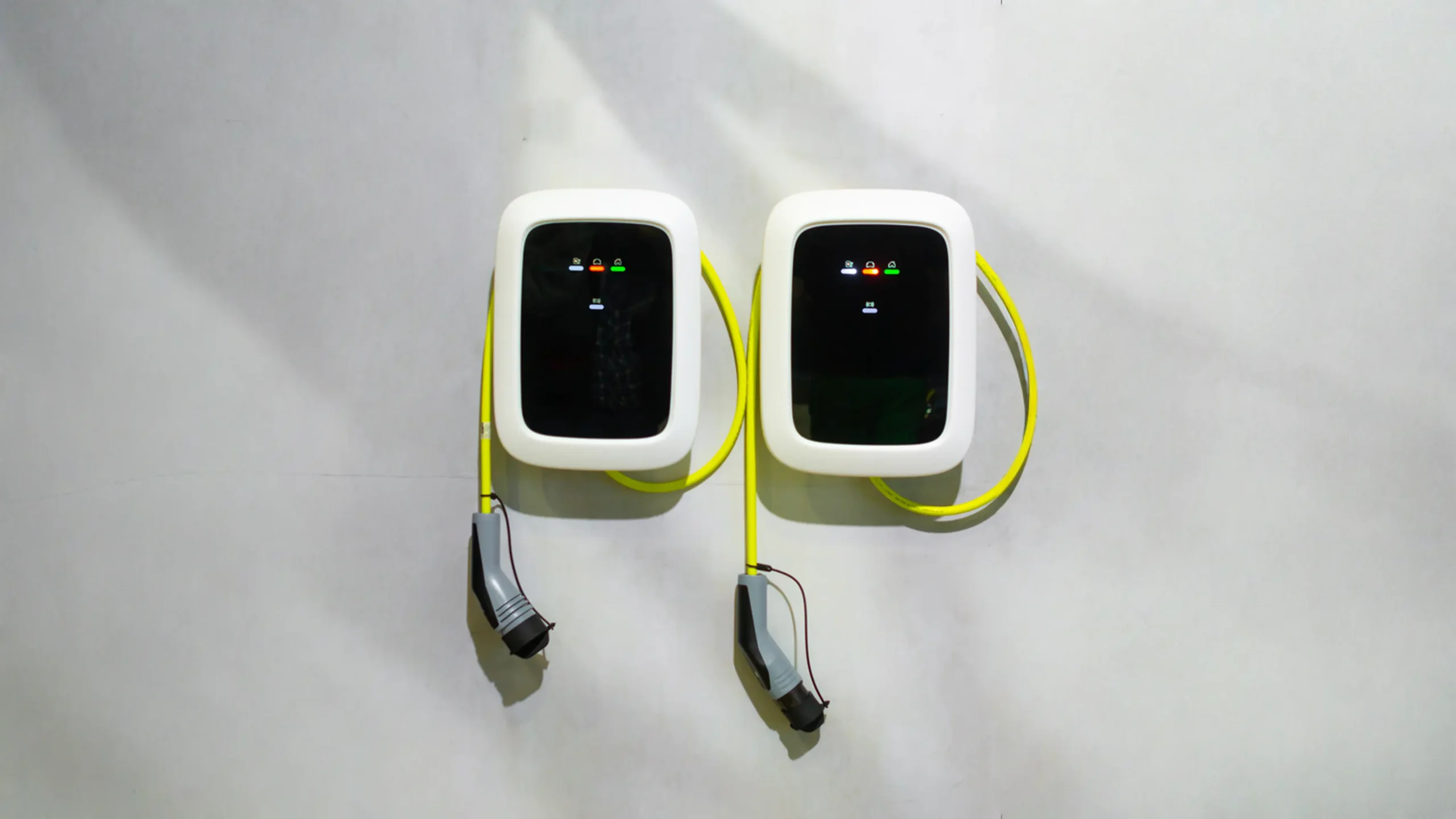
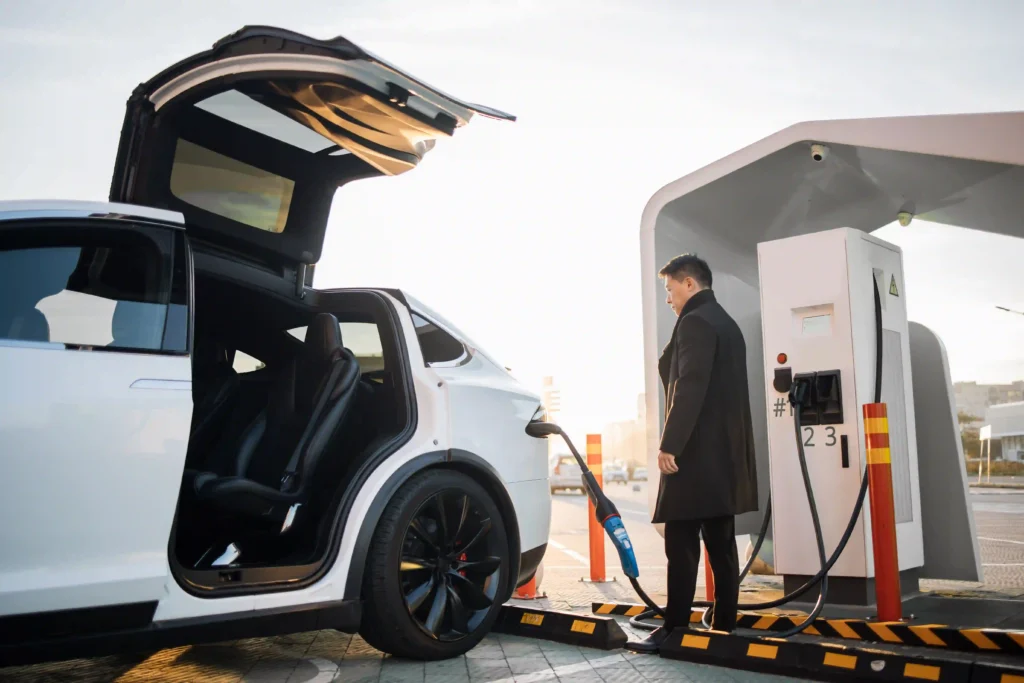
EV chargers supply electrical energy to charge electric vehicles safely and efficiently. They are installed in residential, commercial, and public locations and are broadly classified into AC and DC chargers.
AC chargers (Level 1 & Level 2) are commonly used for home and workplace charging, offering moderate charging speeds and cost-effective installation. DC fast chargers (DC001, CCS2, CHAdeMO, GB/T) provide rapid charging and are mainly deployed in highways, commercial hubs, and public charging stations.
Types of AC EV Chargers
Level 1 AC Charger: 1.4 – 3.3 kW
Level 2 AC Charger (Single-phase): 3.3 – 7.4 kW
Level 2 AC Charger (Three-phase): 11 – 22 kW
Public AC Fast Charger: up to 22 kW
Types of DC Fast EV Chargers
DC Fast Charger (Standard): 15 – 30 kW
DC Fast Charger (Public): 30 – 60 kW
High-Power DC Charger: 60 – 150 kW
Ultra-Fast / HPC Charger: 150 – 350 kW
HOME ENERGY SOLUTIONS
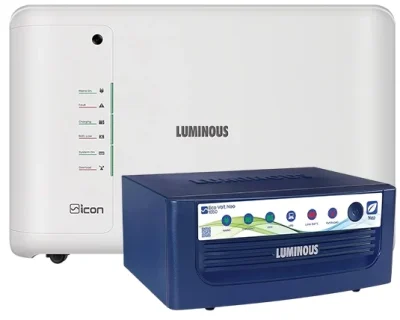
Home inverter and ups
A home inverter converts DC power from batteries or solar panels into AC power to run household appliances during power cuts. It ensures uninterrupted electricity for lights, fans, and essential devices.
The battery stores electrical energy and supplies power to the inverter when grid power fails. Modern systems use lead-acid or lithium-ion batteries, offering reliable backup, improved efficiency, and longer life.
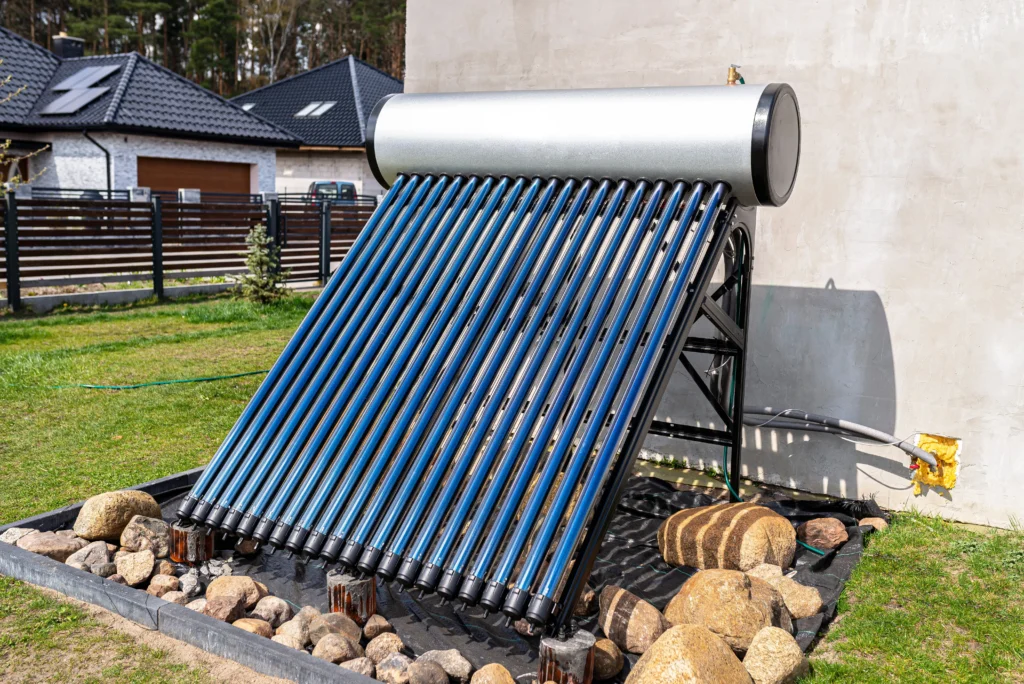
Solar water hearter
A solar water heater uses energy from the sun to heat water for domestic or commercial use. It consists of solar collectors, a storage tank, and insulated piping. This system reduces electricity or fuel consumption, lowers energy bills, and provides an eco-friendly solution for hot water needs.
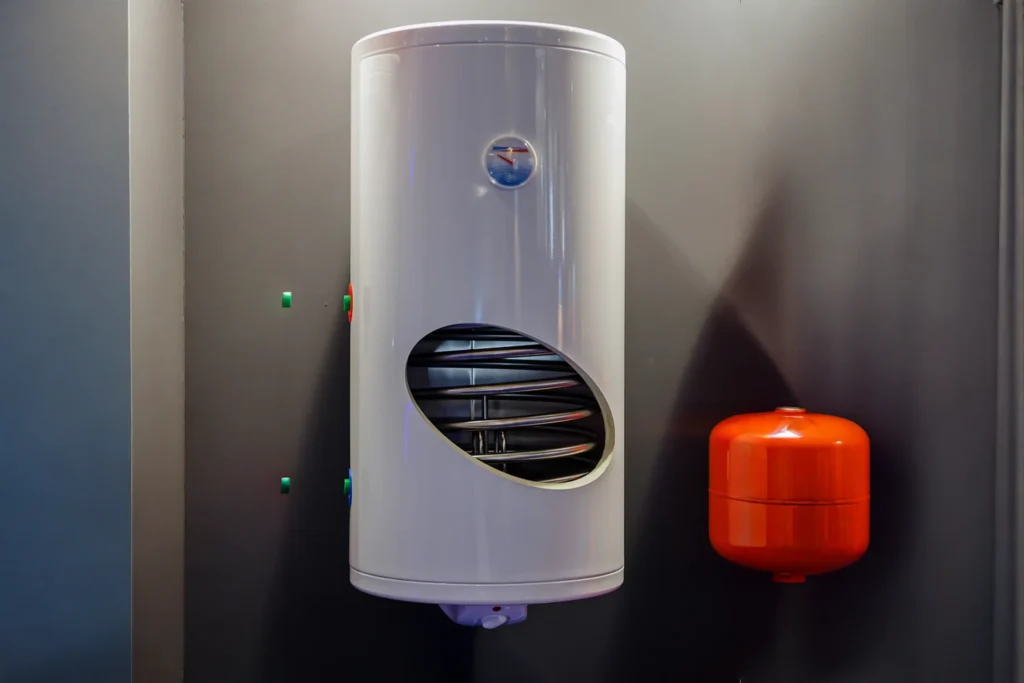
Heat pump
A heat pump is an energy-efficient system that transfers heat from the air, water, or ground to provide hot water or space heating. It uses electricity to move heat rather than generate it, resulting in lower energy consumption, reduced operating costs, and minimal environmental impact compared to conventional heaters.
LITHIUM BATTERIES
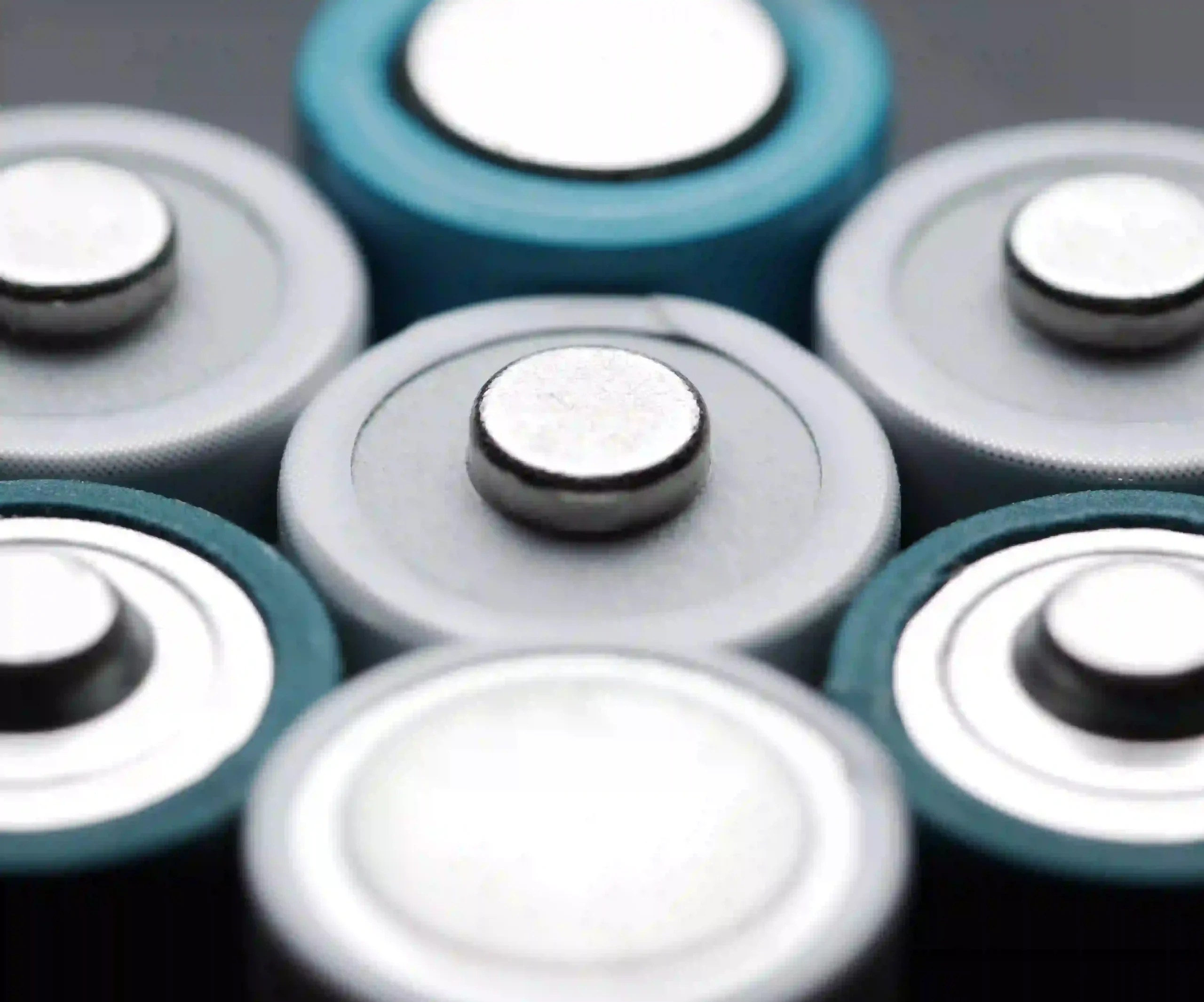
Lithium batteries
Lithium batteries will play a vital role in the future of energy and electric mobility due to their high energy density, long life, fast charging, and reliability. They are key enablers for electric vehicles, renewable energy storage, and smart power systems. Continuous advancements in battery technology, safety, and recycling will further improve performance and sustainability.
Lithium batteries for hybrid system
In the home hybrid concept, lithium batteries work alongside solar power and the utility grid to ensure uninterrupted and efficient energy supply. Excess solar energy is stored in batteries for use during nighttime or power outages, while the grid supports additional demand when required. This integrated approach reduces electricity costs, enhances energy independence, and promotes sustainable living.
Advantages of Lithium Batteries
Advantages of Lithium Batteries:
High energy density and compact size
Long life cycle with low maintenance
Fast charging and high efficiency
Lightweight compared to lead-acid batteries
Deep discharge capability and better safety with BMS
SURGE & LIGHTNING PROTECTION
Surge Protection
Surge Protection and Lightning Arrestors Surge protection devices (SPDs) protect electrical and electronic equipment from voltage spikes caused by lightning, switching operations, or grid disturbances. They safely divert excess voltage to the ground, preventing damage to sensitive systems and improving reliability.
Surge Protection Devices (SPDs):
Type 1 SPD – Protects against direct lightning surges (installed at service entrance)
Type 2 SPD – Protects against switching and indirect lightning surges (distribution boards)
Type 3 SPD – Protects sensitive equipment (point-of-use protection)
AC SPDs – For AC power lines
DC SPDs – For solar PV and DC systems
Types of Lightning Arrestors
Rod (Franklin) Type – Simple air terminal mounted on rooftops
Early Streamer Emission (ESE) Type – Provides wider protection radius
Mesh / Faraday Cage Type – Network of conductors covering the structure
Valve Type – Used in power systems and substations